About Radiator Scrap
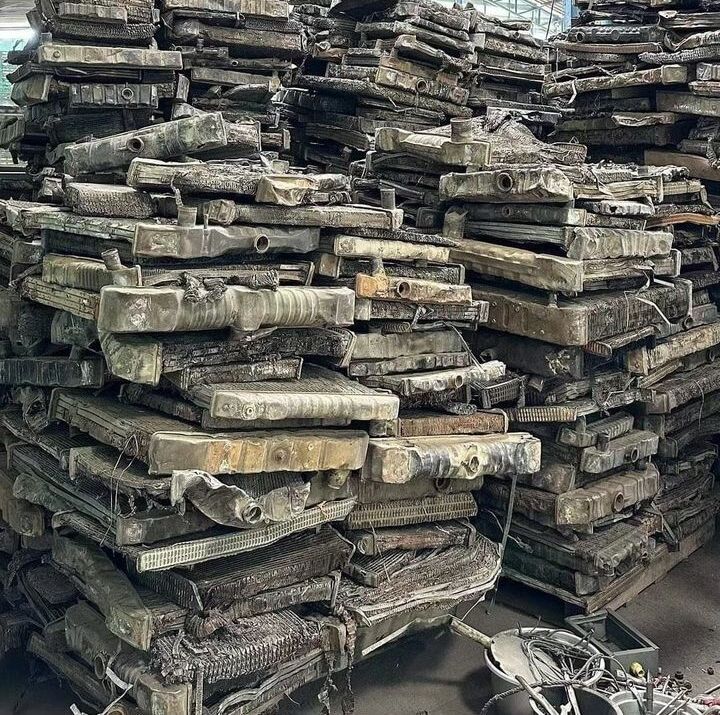
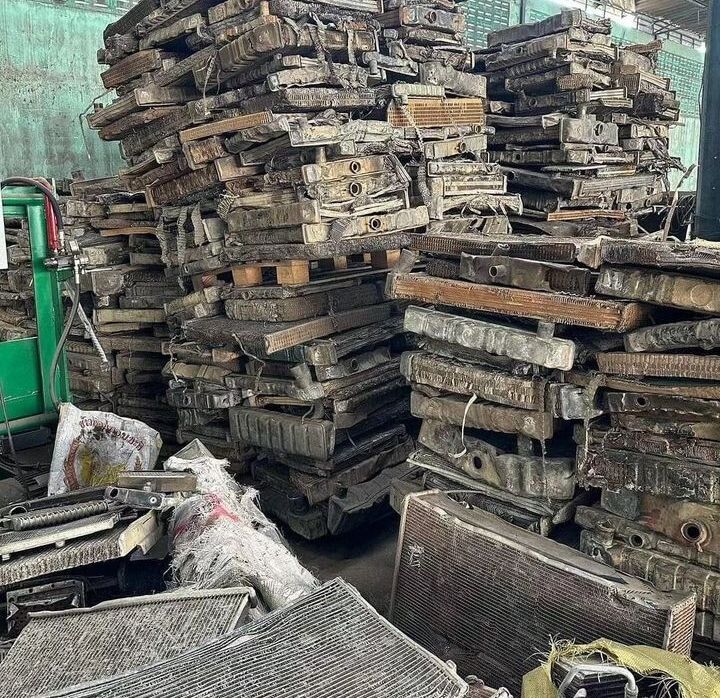
Radiator Scrap consists of radiators used in automobiles and home heating systems. It should be free of steel and iron at the sides of the material. It must not contain any coolant inside. The brass radiators that are processed in this manner are often called Clean Brass Radiators. Those with iron or plastic attached to them are called Dirty Brass Radiators.
| Products |
Aluminium Copper Radiator Scraps |
| Copper Content |
99.9% |
Material
|
Copper/Aluminum
|
| Dimensions |
914mm x 914mm x 12mm |
Core dimension
|
360x688x32mm |
| Inlet |
35mm |
| Outlet |
35mm |
| Grade |
AA |
High-Value Metal ContentRadiator scrap from used cars, trucks, and industrial machinery is known for its substantial copper and aluminum alloy content. This high-value metal mix makes radiator scrap especially attractive for metal recyclers, manufacturers, and secondary metal processors sourcing raw materials. Despite impurities, radiators provide consistent metal yield.
Efficient Recycling ProcessesManually dismantled from vehicles, radiator scrap is typically stored outdoors or in warehouses before processing. After collection, impurities such as plastics, iron, or lead solder are removed, and the reclaimed metals are melted down for use in new products. The entire process supports circularity in the metals industry by keeping valuable resources in use.
Varied Applications and Reliable SourcingRadiator scrap is applied in multiple industries, particularly in metal recycling plants, foundries, and as a secondary source for copper, brass, and aluminum products. Dealers, suppliers, and traders ensure reliable distribution, supplying scrap in standard automotive radiator sizes, ready for bulk recycling loads or tailored sourcing needs.
FAQ's of Radiator Scrap:
Q: How is radiator scrap typically collected and prepared for recycling?
A: Radiator scrap is manually dismantled from used vehicles or industrial equipment. Once removed, the radiators are sorted, sometimes bundled, and stored in warehouses or outdoor facilities before being transported to recycling centers.
Q: What metals can be recovered from radiator scrap, and what impurities are usually present?
A: Radiator scrap contains high levels of copper and aluminum, along with possible traces of brass. Common impurities include iron, plastic, residual oil or coolant, and lead solder, which are separated during the recycling process.
Q: When is radiator scrap suitable for recycling, and how recyclable is it?
A: Radiator scrap is ready for recycling once it has been dismantled and collected, regardless of surface corrosion or minor contamination. It is 100% recyclable, making it highly desirable for metal processors and secondary metal sourcing.
Q: Where does radiator scrap originate, and who can supply it?
A: Radiator scrap comes from end-of-life cars, trucks, and industrial equipment. Dealers, distributors, suppliers, traders, wholesalers, and recyclers are typical sources for purchasing or selling this type of scrap.
Q: What is the recycling process for radiator scrap, and how are metals separated?
A: The recycling process involves dismantling, cleaning, and shredding the radiators. Non-metallic impurities are removed, and the remaining metal is sorted-often by mechanical or density-based separation-prior to melting and refining.
Q: Can radiator scrap be used for direct metal manufacturing or does it require further processing?
A: Radiator scrap requires further processing to remove contaminants and separate metal alloys. Once cleaned and refined, the recovered copper, aluminum, and brass can be used in manufacturing new metal products.
Q: What are the benefits of recycling radiator scrap for manufacturers and the environment?
A: Recycling radiator scrap helps manufacturers obtain cost-effective, high-quality secondary metals while reducing energy usage and environmental impact compared to mining virgin ore. It also diverts waste from landfills and supports sustainable resource utilization.




 Send Inquiry


 Send Inquiry
 Send Inquiry
