About Okan Timber Logs ( Cylicodiscus gabunensis )
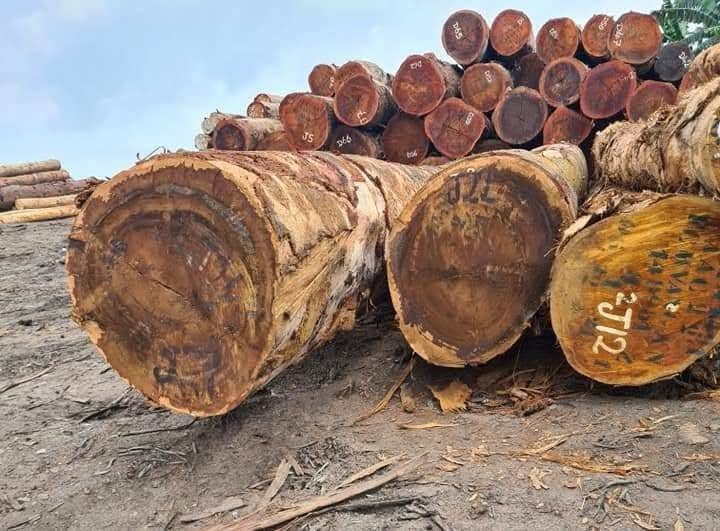
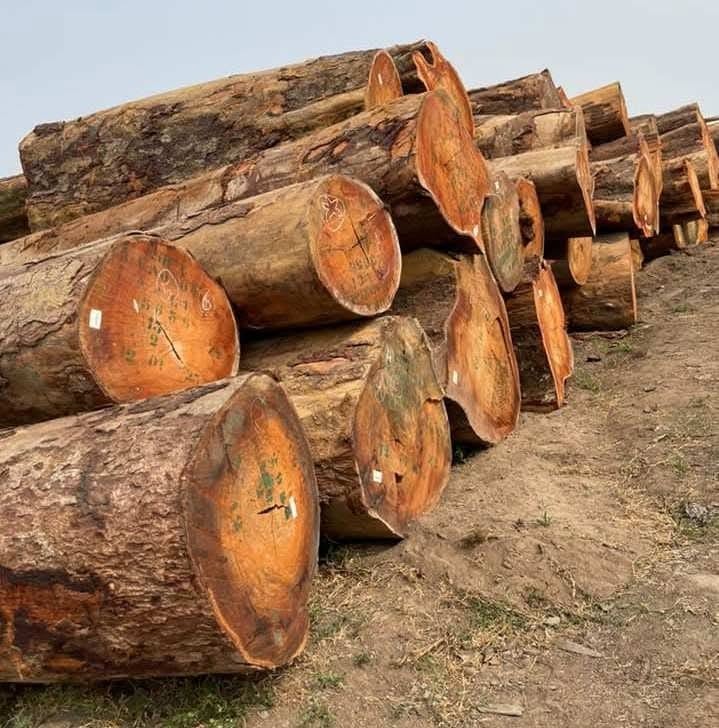
PREMIUM OKAN TIMBER (Cylicodiscus gabunensis) AVAILABLE FOR EXPORT
Dense, durable and naturally resistant, Okan is a top choice for heavy construction, marine works, flooring and bridges.
PRODUCT SPECIFICATIONS
Botanical name: Cylicodiscus gabunensis
Common names: Okan, Denya, Adadua
Origin: Cameroon, Central Africa
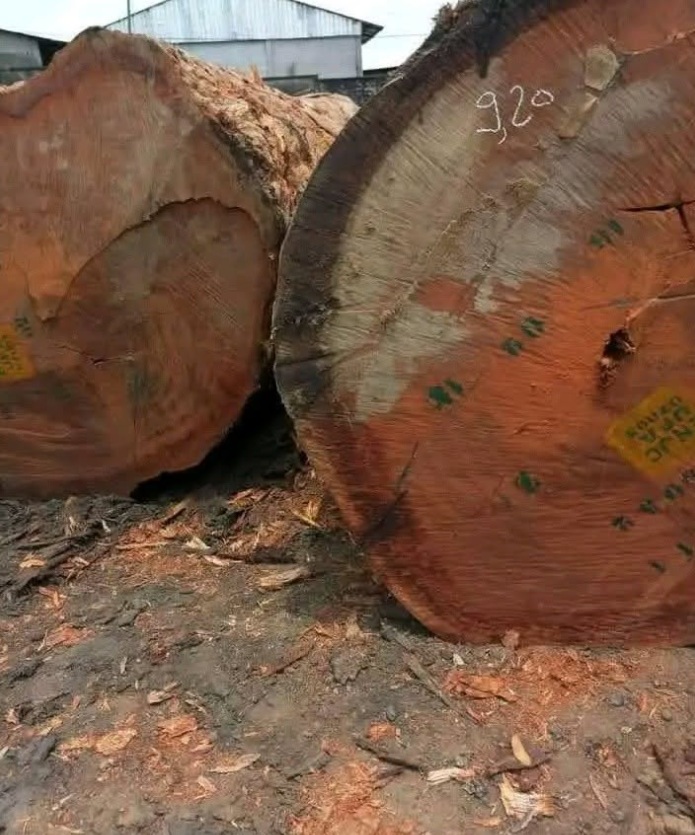
Heartwood color: Golden yellow to orange-brown, darkening with age
Grain: Interlocked, coarse texture
Density: 9001,000 kg/m (air-dried)
Durability: Very high, resistant to termites, fungi and decay
AVAILABLE FORMS & DIMENSIONS
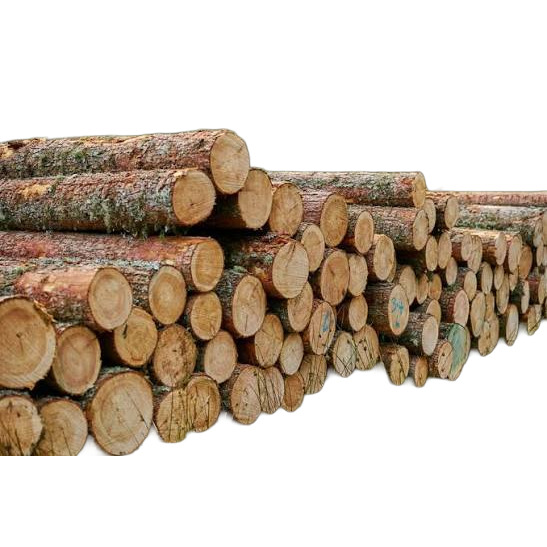
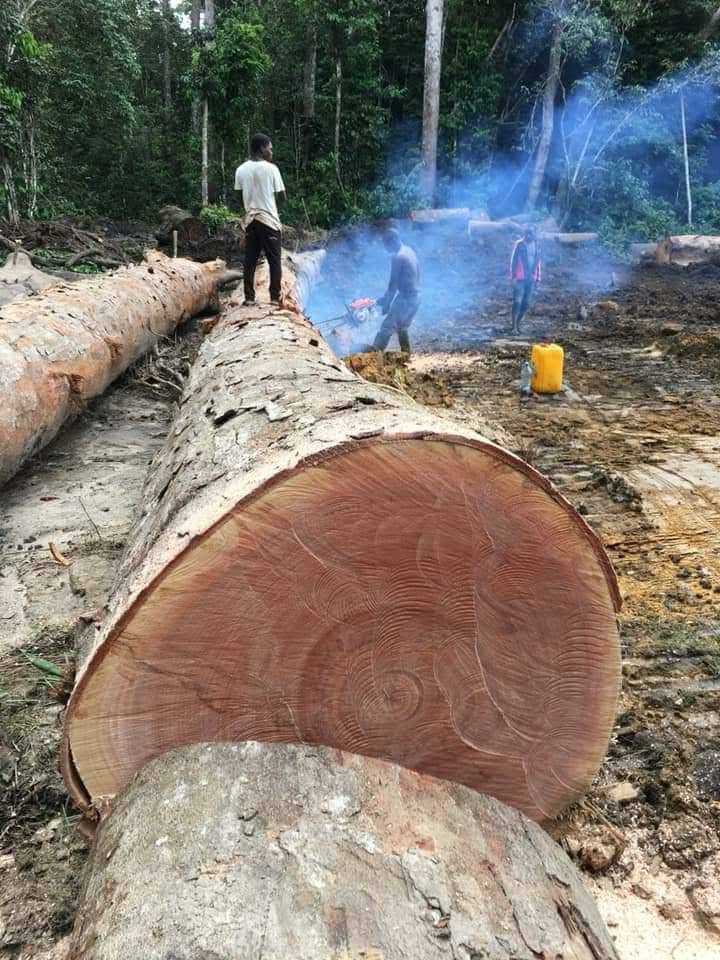
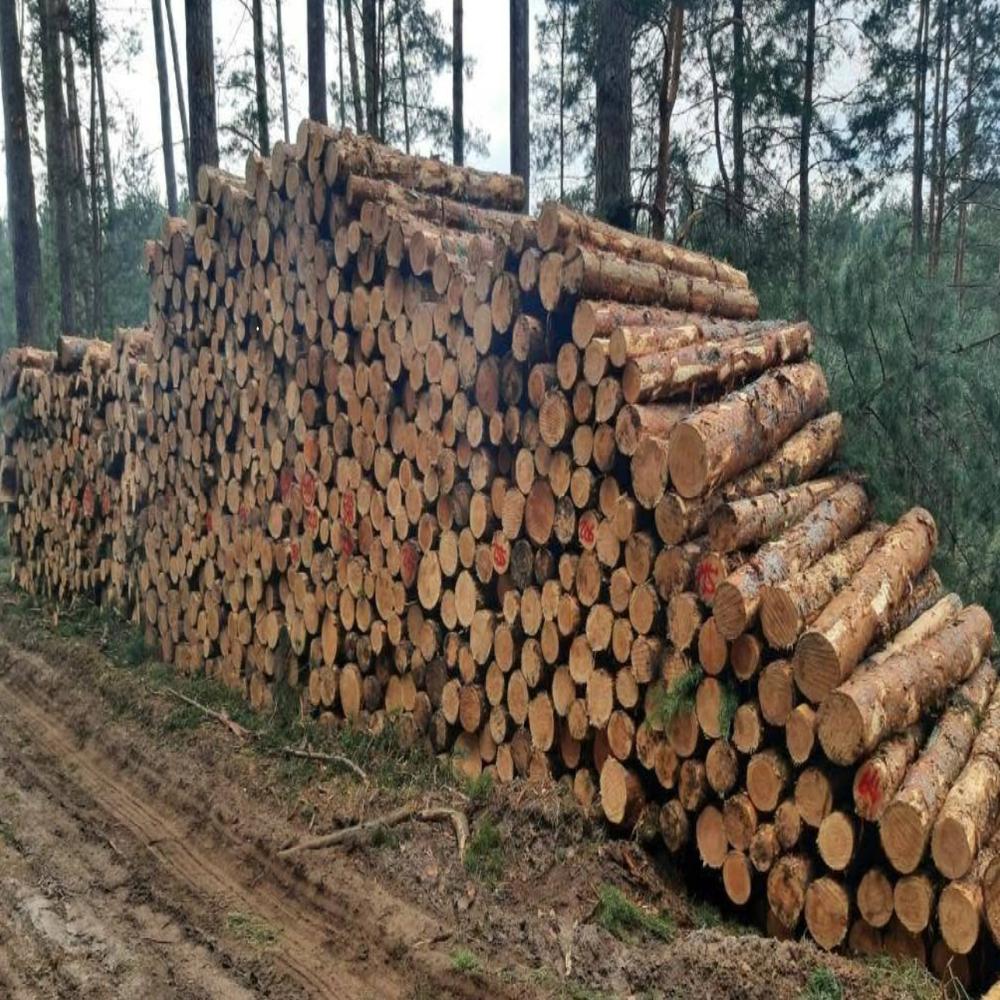
1. Round Logs
Diameter: 60 cm 150 cm+
Length: 4 m 12 m
Grades: Sawmill quality / Veneer / Select
End-marked and numbered for traceability
2. Squared Beams / Baulks
Thickness: 10 cm 30 cm
Width: 20 cm 40 cm
Length: 3 m 6 m (custom lengths on request)
3. Sawn Timber (Kiln-dried or Air-dried)
Thickness: 25 mm, 38 mm, 50 mm, 75 mm, 100 mm
Width: 100 mm 300 mm
Length: 2 m 5 m
SHIPPING & EXPORT
Loaded in 20ft / 40ft containers (up to 28 tonnes net per container)
Export documentation provided
Worldwide delivery
Flexible packaging and bundling
Bridges
Marine piles
Docks
Heavy construction
Railway sleepers
Flooring
Industrial platforms
Outdoor structures
Quality-checked
Competitive prices
Reliable export service
Send us your specifications todaywe're ready to help you source the right timber at competitive prices with dependable export services.
Superior Strength and DurabilityOkan timber is widely preferred in construction and marine sectors due to its formidable density and high load-bearing capacity. Its natural resistance to rot, termites, and fungi, even in ground or water contact, makes it ideal for challenging environments.
Versatile Applications and Custom SizingOkan Timber Logs are supplied in a broad range of sizes, from 2m to 12m+ in length and diameters exceeding 60 cm, tailored to project specifications. Their robust nature and resilience suit them to marine, railway, industrial, flooring, and heavy carpentry uses.
International Export Standards ComplianceEvery Okan log meets stringent international export standards for timber, ensuring reliability and traceability. All grades-A, AB, and B-are available, providing the right fit for various structural and aesthetic requirements.
FAQ's of Okan Timber Logs ( Cylicodiscus gabunensis ):
Q: How should Okan Timber Logs be stored to maintain quality?
A: Store Okan Timber Logs in a dry, well-ventilated area, elevated off the ground to prevent moisture absorption. Direct contact with soil or exposure to excess humidity should be avoided to maintain structural integrity and prevent surface deterioration.
Q: What are the primary uses of Cylicodiscus gabunensis (Okan) logs?
A: Okan logs are widely used in heavy construction, railway sleepers, marine work, exterior joinery, bridges, and industrial sectors. Their high density and durability make them suitable for load-bearing and outdoor applications requiring superior strength.
Q: When is pre-boring necessary during processing or installation?
A: Due to Okan's extreme density and hardness, pre-boring is strongly recommended before nailing or screwing the logs. This prevents splitting and facilitates smoother installation, especially when working with thicker sections.
Q: Where are Okan Timber Logs typically utilized?
A: Okan logs are commonly used in locations requiring high durability-such as seaports, railway infrastructures, bridges, and industrial facilities. They perform exceptionally well in environments exposed to water, ground contact, and heavy loads.
Q: What are the benefits of choosing Okan Timber Logs over other hardwoods?
A: Okan offers exceptional resistance to termites, rot, and fungal attack, even in harsh climates. Its structural integrity remains intact in both fresh water and saline environments, providing a long service life and reducing maintenance costs.
Q: How is seasoning managed to prevent splitting or deformation?
A: Okan logs season slowly and can split if dried rapidly. Controlled drying-such as air drying in shaded, ventilated spaces-is recommended. Monitoring moisture levels ensures uniform seasoning and maintains timber quality.




 Send Inquiry


 Send Inquiry
 Send Inquiry
