About KPV Peptide 5MG
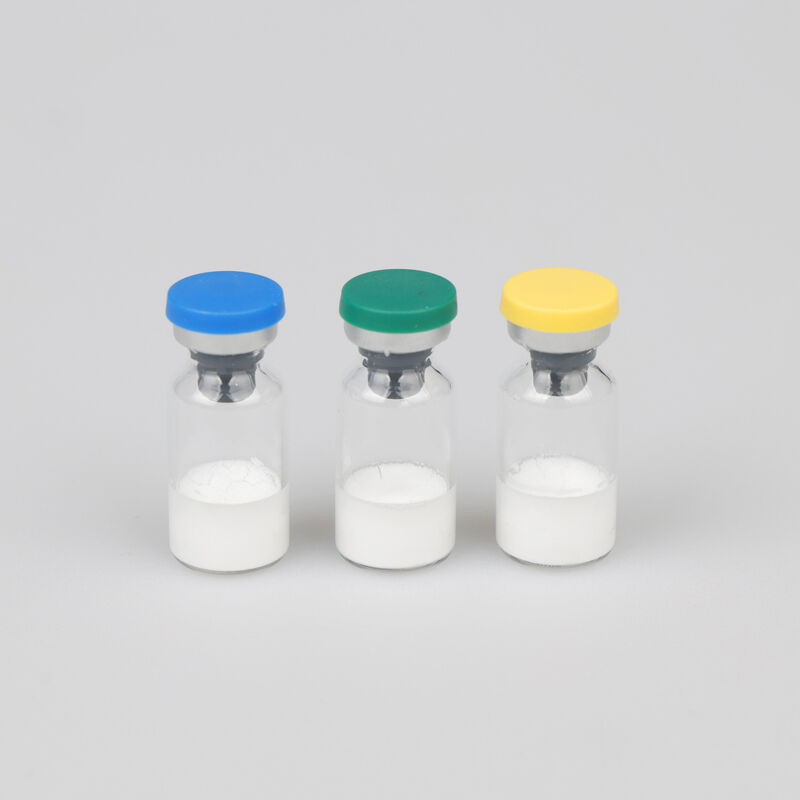
Product Name: LYS INE-PRO LINE-VALINE (KPV) CAS Number: 67727-97-3 Molecular Formula: CHNO Molecular Weight: 342.43 g/mol Appearance: White lyophilized powder Purity: 98% by HPLC Packaging: 1g sterile vial (custom packaging available) Storage Condition: Store at -20C, keep sealed and away from light Shelf Life: 24 months under proper storage Application: For laboratory research use only, not for human injection, consumption or clinical treatment. KPV, also known as Lysine-Proline-Valine, is a short tripeptide derived from alpha-MSH. It exhibits potent antiinflammatory, antimicrobial, and immuneregulatory activities without melanotropic effects. It is widely used in laboratory studies related to inflammation, immune response, and tissue protection. Our KPV peptide is produced under strict quality control standards. Each batch is tested by HPLC for purity and consistency, with a full Certificate of Analysis (CoA) provided. The powder is sterile, soluble in water, and suitable for in vitro and in vivo laboratory research. We offer 1g/vial standard packaging and support bulk wholesale. Sample order is available for quality verification. All products are intended for laboratory research purposes only.
High Purity and Reliable StabilityKPV Peptide is manufactured with a purity exceeding 98%, as measured by HPLC, ensuring consistency and trust in every experiment. Its lyophilized solid form is highly stable, maintaining efficacy for up to 24 months when stored at -20C, protected from light and moisture. This makes it ideal for extended research studies requiring uncompromised peptide integrity.
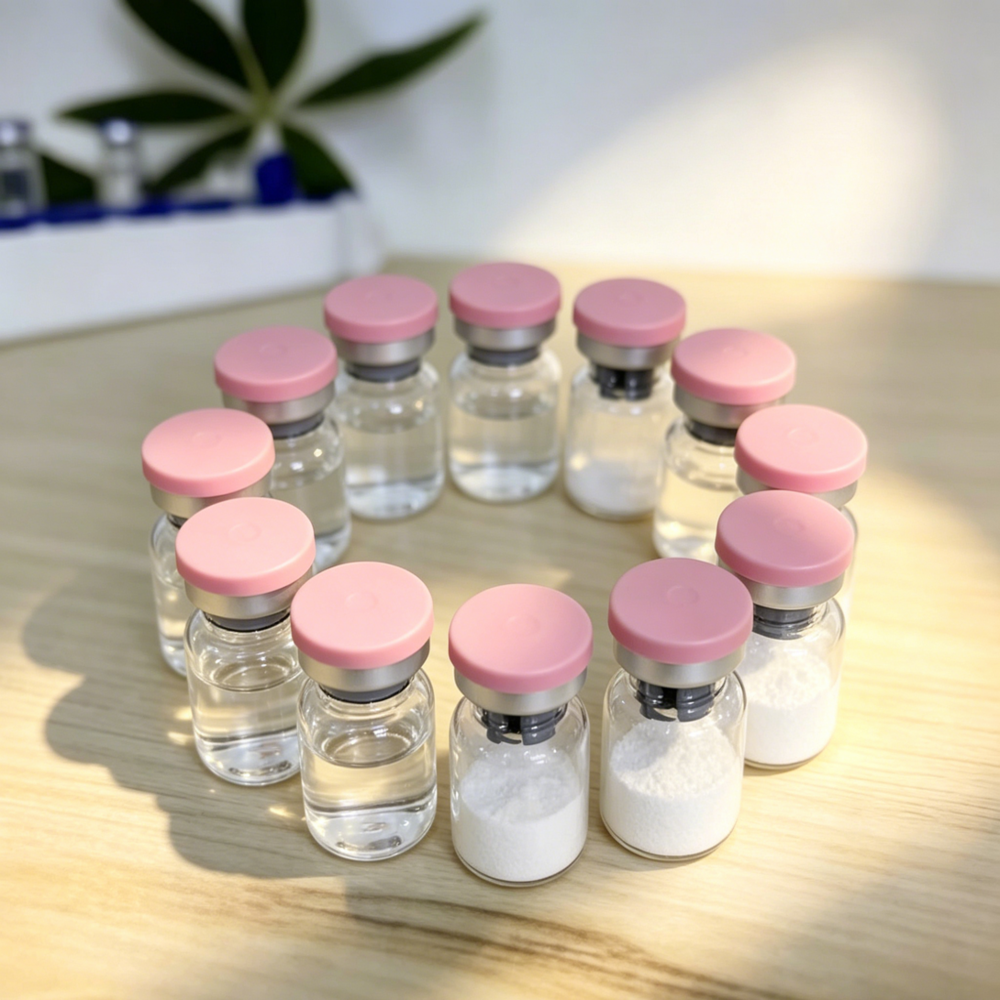
Seamless Reconstitution and Versatile SolubilityThis peptide readily dissolves in sterile water for injection or appropriate buffer, providing researchers with flexible options for their specific protocols. Once reconstituted, its neutral pH ensures compatibility with a broad range of experimental designs, facilitating ease of integration into both cell culture and cosmetic formulations.
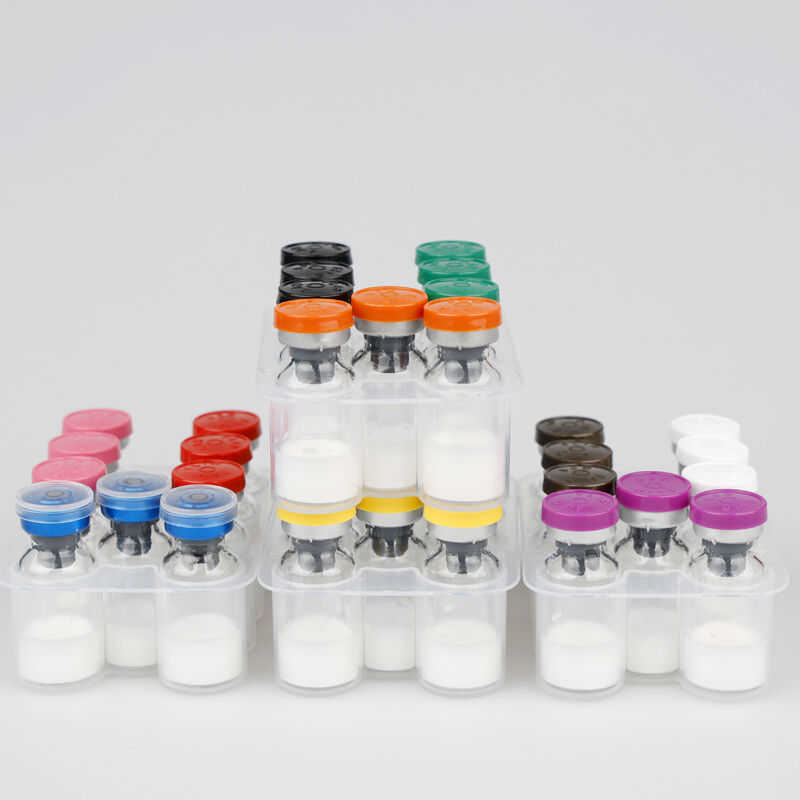
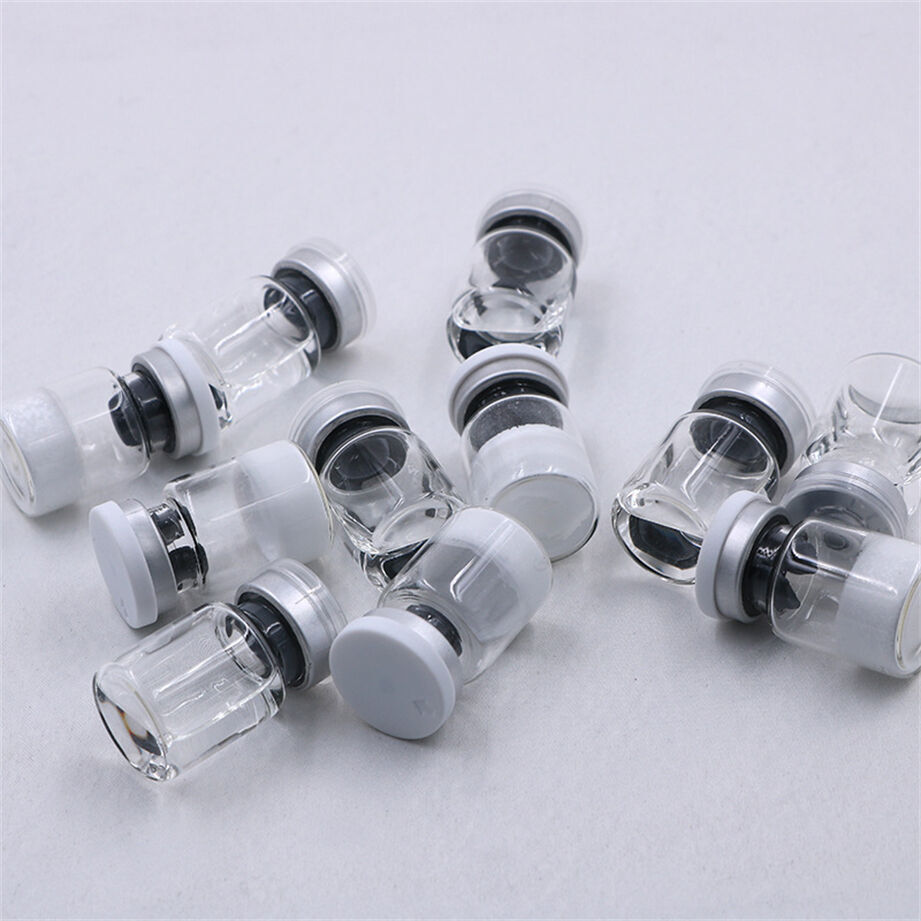
Trusted Quality and Secure DeliveryEach batch comes with a Certificate of Analysis and detailed labeling for traceability. Products are packaged in tamper-evident vials and shipped on ice or as per customer specification, safeguarding both the peptide's quality and shipment integrity. Our peptide meets stringent research use-only standards and is not for human or veterinary application.
FAQ's of KPV Peptide 5MG:
Q: How should KPV Peptide 5MG be reconstituted for laboratory use?
A: KPV Peptide 5MG should be reconstituted in sterile water for injection or an appropriate buffer. Gently swirl the vial until the powder dissolves completely, ensuring it is fully solubilized before use in experiments or formulations.
Q: What are the recommended storage conditions for optimal stability?
A: For maximum stability, store lyophilized KPV Peptide at -20C, protected from light and moisture. Once reconstituted, it is best to use it promptly or aliquot and freeze unused portions to maintain purity and effectiveness.
Q: When is it suitable to use KPV Peptide 5MG in research?
A: KPV Peptide is ideal for use in peptide synthesis, cell culture research, skin health investigations, and laboratory studies on anti-inflammatory and wound healing effects. It is strictly for research applications and not intended for human or veterinary use.
Q: Where can I find product-specific information like batch number and certificate of analysis?
A: Each KPV Peptide vial features the batch number on its label for easy reference, and a detailed certificate of analysis is supplied with every shipment to ensure you have complete quality documentation.
Q: What process ensures the high purity of KPV Peptide 5MG?
A: KPV Peptide is synthesized using advanced methods and purified to over 98% purity as verified by high-performance liquid chromatography (HPLC). Each batch is also tested for low endotoxin levels, meeting rigorous research standards.
Q: What are the primary benefits of using KPV Peptide in cosmetic or wound healing research?
A: Research suggests that KPV Peptide exhibits notable anti-inflammatory and wound healing properties, making it beneficial for exploring novel cosmetic formulations or therapeutic approaches in laboratory settings.




 Send Inquiry


 Send Inquiry
 Send Inquiry
